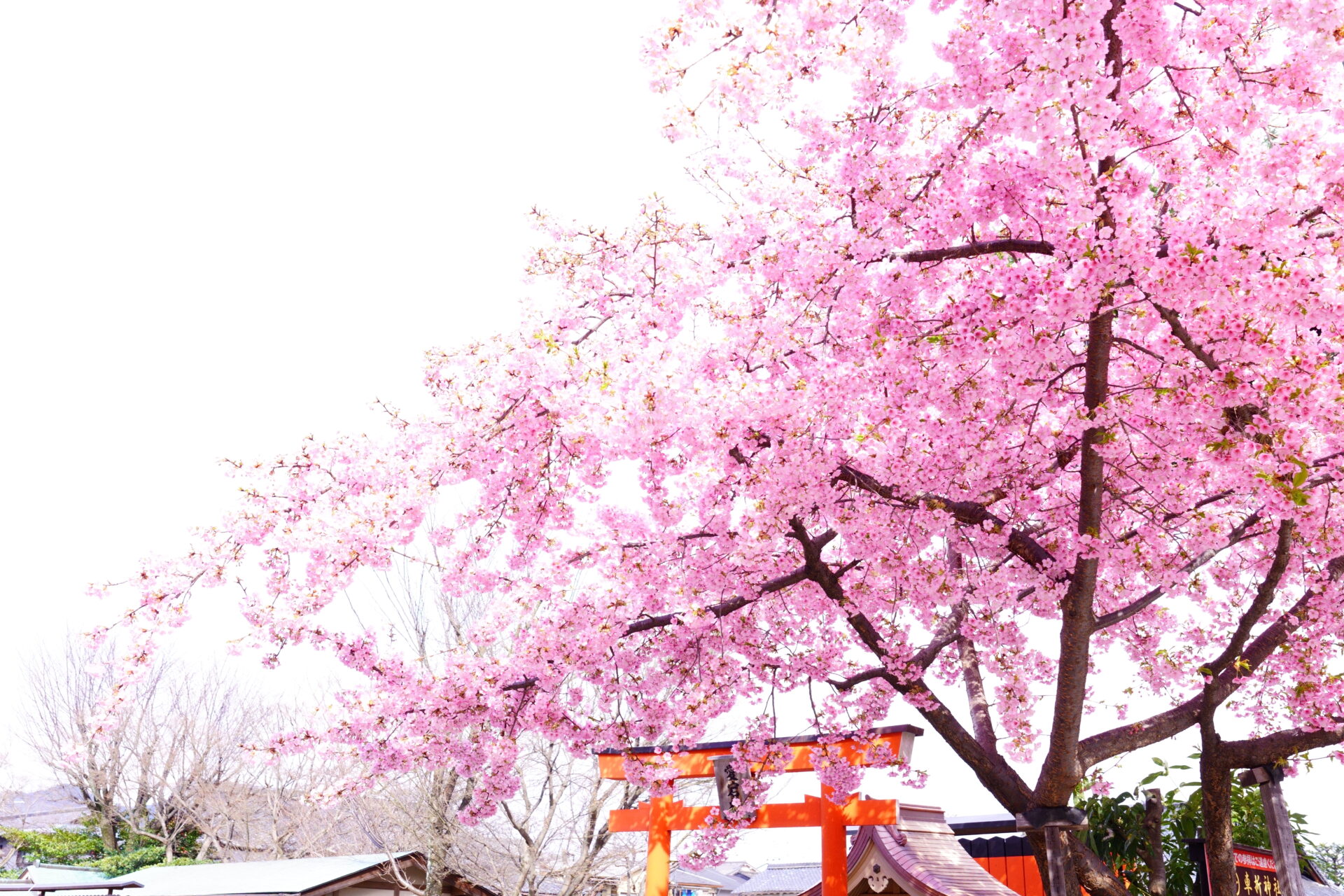
Located in the scenic Arashiyama area of Kyoto, Kurumazaki Shrine is a hidden gem known for its unique focus on arts, entertainment, and “wishes coming true.” While it has deep historical roots, it is most famous today as a pilgrimage site for celebrities and fans.
The Geino Jinja (The Entertainment Shrine)
The most striking feature of this complex is the Geino Jinja. It is dedicated to the patron deity of performing arts.
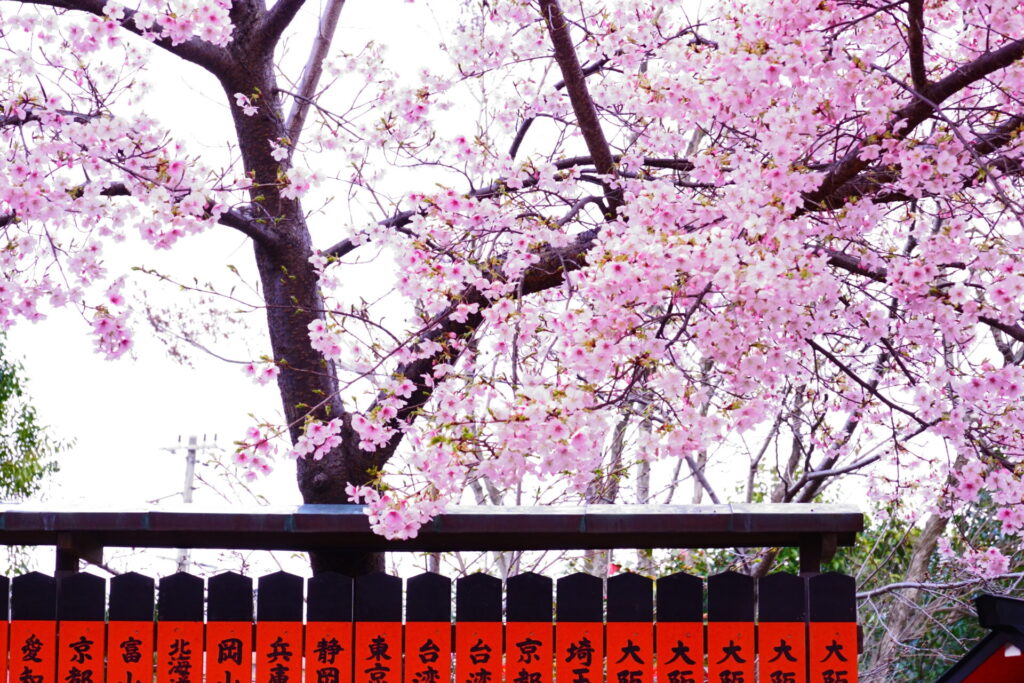
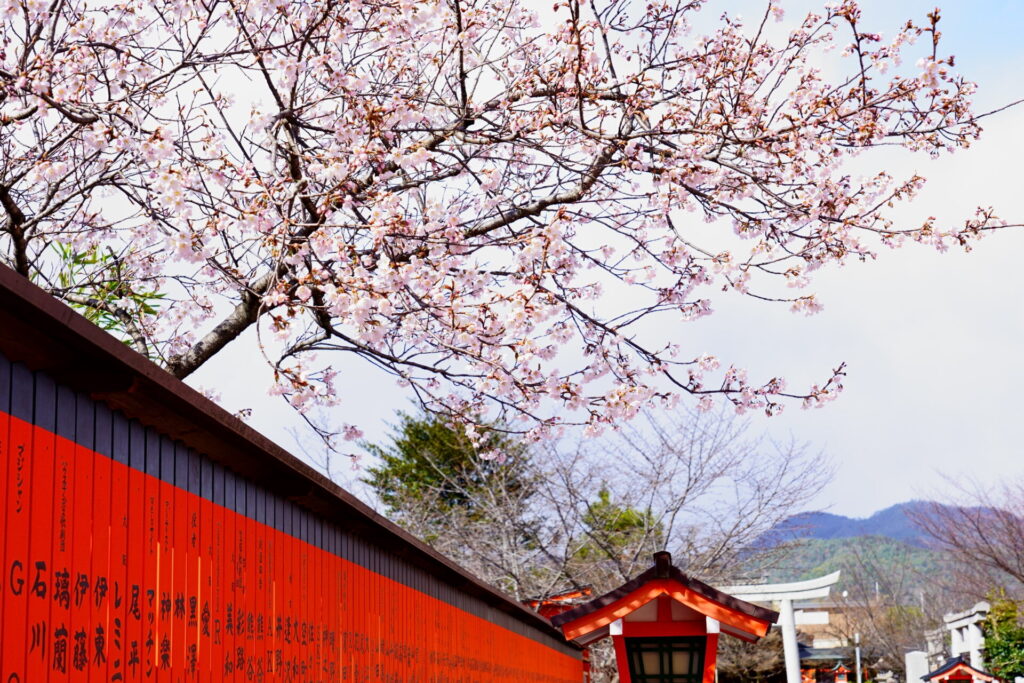
The Red Fences (Tamagaki): You will see thousands of bright red wooden slats surrounding the shrine.
Celebrity Sightings: These slats are inscribed with the names of famous Japanese actors, idols, musicians, and dancers who have visited to pray for success in their careers. It’s the Japanese version of the “Hollywood Walk of Fame.”
Why do Artists come here? The shrine is dedicated to Ame-no-Uzume, the Shinto goddess of dance and revelry. According to Japanese mythology, she was the one who danced to lure the Sun Goddess out of a cave, bringing light back to the world.
For Professionals: Actors and musicians come here to pray for “big breaks,” sold-out concerts, and long-lasting careers.
For Fans: Many fans visit to pray for their favorite idol’s success or to “win the lottery” for hard-to-get concert tickets!
Starting my photography journey in 1998 during my time as an expatriate in Singapore, I have now been a photographer for over 20 years. My deep affection for Kyoto is reflected in my work, which has been exhibited internationally. I am a photographer with a global perspective, dedicated to capturing the universal beauty found in the interplay of light and shadow.
My core focus is on documenting and preserving Kyoto's landscape, which is being negatively affected by the rapid increase in inbound tourism. I work across genres—from landscapes to portraits—always prioritizing the unique "essence" of the subject and the atmosphere of the moment. I am also actively engaged in international photographic expression, including photo shoots for tourists visiting Japan, exhibiting my work both domestically and abroad, and participating in cultural exchange projects.
2008年日本写真家協会(JPS)展 入選(プロ写真家への登竜門)Selected for the 2008 Japan Professional Photographers Society (JPS) Exhibition (a gateway to becoming a professional photographer)
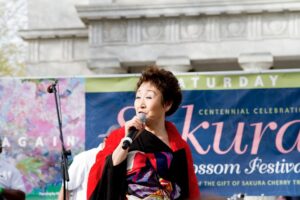
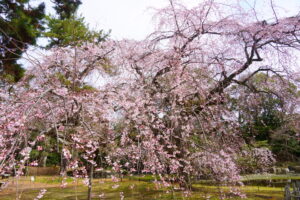
International Exhibitions: The Japan Foundation, Los Angeles (JFLA) and the Consulate-General of Japan in New York's annual Sakura Matsuri (Cherry Blossom Festival)
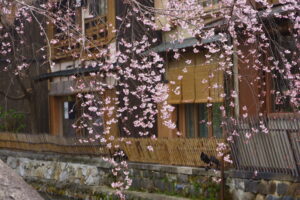
The eaves of a traditional townhouse bathed in light and shadow, the stone-paved streets silent in the early morning, and the back alleys where the scent of daily life lingers.
Instead of the "Kyoto-ness" seen in tourist brochures, my mission as a photographer is to document and convey the genuine Kyoto—the lives of the people who live here and the atmosphere shaped by the passage of time.
However, this Kyoto is being quietly destroyed.
The traditional townhouses of Kyoto are not just scenery; they are a way of life.
Now, they are being sold off, along with their "memories of life," under the guise of temporary lodging businesses.
Tourism is undoubtedly a major industry that supports Kyoto. There is no denying that. However, if tourism transforms Kyoto from "a city for its residents" into "a spectacle for tourists," it becomes an act of cultural destruction.
I don't want to photograph a "tourist destination." I want to photograph a "living Kyoto," where people live, gather, and connect.
I will continue to photograph Kyoto. To document and share the "authentic Kyoto" that still remains. And I hope to contribute, even in a small way, to returning Kyoto to a place where "daily life, not tourism, is the main character."
Kyoto is not a place to see; it's a place to live.